
Description
Buy Ketamine Liquid for Depression: What It Is and What to Know Before Starting
Buy ketamine liquid for depression, which is a compounded, off-label medication that is not FDA-approved for any mental health use. Only Spravato (esketamine nasal spray) is FDA-approved for treatment-resistant depression and must be administered in a clinical setting. In contrast, liquid ketamine is often given for home usage through telehealth programs. That distinction is important for both safety and what patients should expect; this guide addresses it clearly.
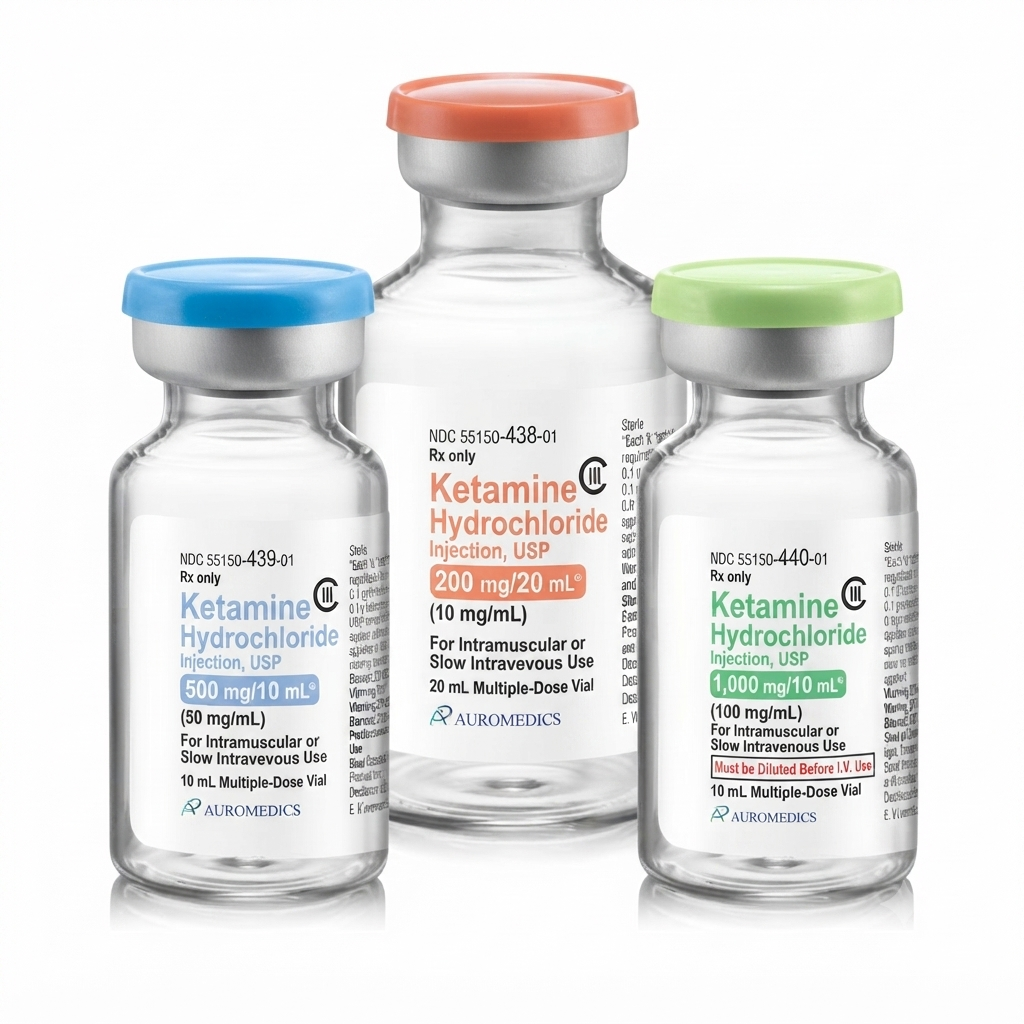
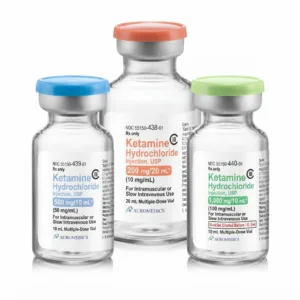
What Is Ketamine Liquid? | ketamine bottles
Liquid ketamine, in this context, refers to a compounded oral or sublingual ketamine solution prepared by a licensed compounding pharmacy under a valid prescription, typically dispensed in a metered dropper or oral syringe. It’s distinct from:
- Ketamine troches/lozenges—solid, dissolvable tablets (a more common at-home format)
- IV/IM ketamine — injectable formulation used in clinic settings, sometimes called by its branded generic name, Ketalar
- Spravato — FDA-approved esketamine nasal spray, administered only in-clinic
Liquid ketamine can be swallowed (oral) or held sublingually (under the tongue), and the route has a significant impact on how much of the drug enters the bloodstream—swallowed doses pass through the digestive system and liver first, lowering bioavailability when compared to sublingual absorption.
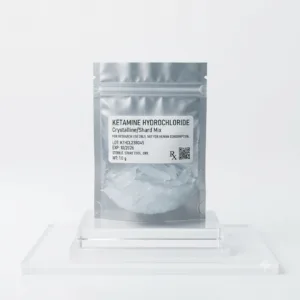
Content/Composition of ketamine bottles
Compounded liquid ketamine formulations differ by pharmacy; concentration (mg/mL), flavouring, and inactive substances are not standardised in the same way that an FDA-approved medication label is. Patients should expect variation among compounding pharmacies and always confirm concentration and handling instructions with their prescribing provider and pharmacy, rather than assuming uniformity between brands or programs.
Dosage of ketamine bottles
A professional prescriber determines liquid ketamine dosing based on body weight, therapeutic goals, prior response, and route of administration (oral vs. sublingual), which is then adjusted over the course of several sessions. Bioavailability varies significantly by route – sublingual administration is generally more efficiently absorbed than ingested liquid, which is why you should follow your provider’s precise instructions (not a generic chart).
A STAT News investigation in 2026 specifically identified the risk of patients seeking at-home dosing advice from online forums and general internet sources rather than following individualised clinical instructions, this is a real and documented safety gap in the at-home ketamine space, not a hypothetical one.
Price for ketamine| ketamine 100mg ml price| ketamine 500mg/10ml price | ketamine 10 ml price
- Telehealth programs (medication + provider visits included): roughly $129–$500/month, depending on the provider and plan tier
- Local prescription filled independently (medication only, from a compounding pharmacy): roughly $75–$200/month
- Insurance: rarely covers compounded ketamine for psychiatric use, since it’s an off-label preparation; this is typically an out-of-pocket cost. ketamine 100mg/ml price
How is Liquid Ketamine Taken
The process varies by program, but a typical at-home liquid ketamine protocol looks like this:
- Telehealth evaluation with a licensed prescriber to assess candidacy
- Prescription sent to a licensed compounding pharmacy, which ships the medication directly to the patient
- Pre-session preparation—most protocols require fasting from solid food for several hours and clear liquids for a shorter window beforehand
- A trusted adult or peer monitor physically present during the session, reputable programs require this, not just a phone check-in
- Administration per the prescriber’s specific instructions (route, timing, position, typically reclined, in a quiet, low-stimulation setting)
- Post-session monitoring — patients are instructed not to drive, work, or make major decisions for the remainder of the day
- Follow-up with the care team to review response and adjust the treatment plan
Who Can Take Ketamine Liquid
At-home liquid ketamine programs generally evaluate candidates for:
- Treatment-resistant depression (commonly defined as inadequate response to 2+ prior antidepressants)
- Anxiety disorders (generalized anxiety, social anxiety) in some programs
- Adults 18+ with no disqualifying medical history
Programs typically screen out or require additional evaluation for patients with:
- Uncontrolled hypertension or significant cardiovascular disease
- History of psychosis or certain severe psychiatric conditions
- Current substance use disorder, particularly involving dissociatives
- Pregnancy
- No available support person to monitor the session
Uses of Ketamine Vials
- Depression, including treatment-resistant cases
- Anxiety disorders (in some telehealth programs)
- Off-label chronic pain management (less common for the liquid oral route specifically)
Effects of Liquid Ketamine
Common effects:
- Dissociation (feeling detached from body or surroundings)
- Drowsiness, dizziness
- Nausea
- Blurred vision
- Mild increase in blood pressure and heart rate
- Altered perception of time
Extreme/serious effects:
- Significant sedation impairing judgment or coordination
- Marked blood pressure elevation, particularly in patients with underlying cardiovascular risk
- Confusion or severe disorientation
- Rare cases of worsening psychiatric symptoms
- Potential for misuse, particularly without structured monitoring
- Risk compounding when combined with alcohol or other sedating substances
Research on at-home telehealth ketamine has generally reported adverse events in a small minority of patients (commonly cited in the low single-digit percentages), the majority of which were psychological/neurological (dissociation, anxiety, dizziness) rather than physical complications — but this data comes from structured, monitored telehealth programs, not unsupervised use, which is an important caveat to state clearly rather than omit.
What Not to Do When Taking Liquid Ketamine | Buy Liquid Ketamine
- Do not take it without a trusted adult physically present, this is a standard safety requirement in legitimate programs, not an optional precaution.
- Do not source dosing information from forums, social media, or general internet searches — individualized prescriber guidance exists precisely because body weight, tolerance, and route change what’s appropriate.
- Do not drive, operate machinery, or make significant decisions for the remainder of the day after a session.
- Do not combine with alcohol or other sedatives/depressants.
- Do not eat or drink per your program’s fasting window, nausea risk increases significantly otherwise.
- Do not adjust your own dose or frequency based on how a previous session felt, talk to your prescriber first.
- Do not obtain ketamine from unlicensed or offshore sources — legitimate treatment is dispensed by a DEA-regulated, licensed U.S. compounding pharmacy under a valid prescription.
FAQ
What is liquid ketamine used for?
It’s a compounded, off-label preparation prescribed by licensed clinicians — most commonly for treatment-resistant depression, and sometimes anxiety — typically taken at home as part of a monitored telehealth program.
Is liquid ketamine FDA-approved for depression?
No. No oral or liquid ketamine formulation is FDA-approved for depression. Only Spravato (esketamine nasal spray) has that approval, and it must be administered in a certified clinical setting.
Is oral or sublingual liquid ketamine better absorbed?
Sublingual (under-the-tongue) administration is generally absorbed more efficiently than swallowing, since swallowed liquid passes through the digestive system and liver before reaching circulation, which reduces the amount that becomes active in the bloodstream.
Is at-home liquid ketamine safe?
When prescribed by a licensed clinician, dispensed by a legitimate compounding pharmacy, and taken with a trusted adult present per protocol, structured programs report generally low rates of serious adverse events. Risk increases significantly with unsupervised use or self-sourced dosing information, which is a documented concern in this treatment space.
How much does liquid ketamine cost?
Telehealth programs including provider visits typically run $129–$500/month; medication alone from a compounding pharmacy is often $75–$200/month. Insurance rarely covers it, since it’s an off-label preparation.
Do you need a prescription for liquid ketamine?
Yes. It’s a Schedule III controlled substance requiring evaluation and prescription by a licensed provider; unprescribed or offshore-sourced ketamine is not legal.
Can you take liquid ketamine alone at home?
Reputable telehealth programs require a trusted adult or peer monitor to be physically present during sessions — this isn’t optional guidance, it’s a standard safety requirement.
Reviews
There are no reviews yet.