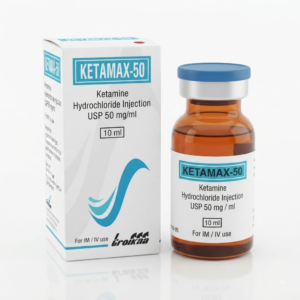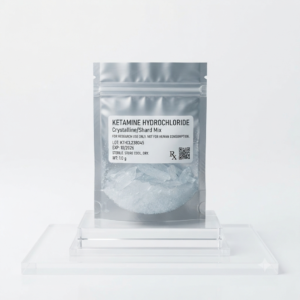
Ketamine troches are compounded oral medication preparations designed to dissolve in the mouth. They are sometimes described as ketamine lozenges and may be prescribed by qualified healthcare professionals in selected clinical circumstances. Interest in ketamine has grown as researchers investigate potential uses beyond its established role in anesthesia.
Understanding ketamine troches requires more than knowing their formulation. Patients should understand the distinction between compounded medications and FDA-approved products, the limitations of available evidence, potential adverse effects, and the importance of professional medical supervision.
Medical disclaimer: This article is for general educational purposes only. It is not a diagnosis, prescription, or treatment recommendation. Ketamine is a controlled prescription medicine. Decisions about its use must be made by a qualified healthcare professional who can assess an individual’s medical history and circumstances.
What Are Ketamine Troches?
A ketamine troche is a medication preparation containing ketamine that is formulated to dissolve in the mouth. Depending on the preparation, it may be described as a troche, lozenge, or another oral or mucosal dosage form.
The word troche refers to the medication’s physical formulation rather than a separate active ingredient. Troches are used in different areas of medicine, and their ingredients, intended use, and directions depend on the specific prescription.
Ketamine troches are generally discussed in the context of compounded medication. Compounding involves a licensed pharmacist or other authorized professional preparing a medication to meet a particular patient’s medical needs under applicable legal requirements.
Compounded medications are not the same as FDA-approved, commercially manufactured medicines.
Are Ketamine Troches the Same as Ketamine Lozenges?
The terms ketamine troches and ketamine lozenges are sometimes used interchangeably in general discussions. Both can refer to oral preparations intended to dissolve in the mouth.
However, terminology alone does not establish that two products have the same formulation, ingredients, strength, quality, or directions. Patients should rely on the exact product information supplied by their dispensing pharmacy and prescriber. A pharmacist can explain any unfamiliar terminology on a prescription label.

Why Might a Healthcare Professional Consider Ketamine Troches?
Ketamine has an established medical role as an anesthetic. Researchers have also investigated its potential use in other clinical areas, including certain mental health conditions and pain-related conditions.
Some healthcare professionals may consider compounded oral ketamine formulations in selected circumstances. Whether this is appropriate depends on the patient’s health history, the clinical rationale, available alternatives, supporting evidence, and applicable prescribing requirements.
The evidence for oral and compounded ketamine varies by condition and formulation. Findings from one route of administration should not automatically be applied to another. Research involving intravenous ketamine or FDA-approved esketamine nasal spray does not, by itself, establish the safety or effectiveness of compounded ketamine troches.
Are Ketamine Troches FDA Approved?
Compounded ketamine troches are not FDA-approved drug products. The FDA explains that compounded drugs are not reviewed by the agency for safety, effectiveness, or quality before they are marketed.
Compounding can serve a legitimate medical need when an appropriately authorized professional determines that a compounded preparation is necessary for an individual patient. However, the fact that a medicine is compounded does not mean it has undergone the same premarket review as an FDA-approved medicine.
It is also important to distinguish ketamine from esketamine:
- Ketamine: FDA-approved ketamine products are indicated as anesthetics. Ketamine is not FDA-approved for the treatment of psychiatric disorders.
- Esketamine: The nasal spray marketed as SPRAVATO has specific FDA-approved indications and is subject to a restricted distribution and monitoring program.
- Compounded ketamine troches: These are compounded preparations and should not be described as FDA-approved treatments for depression, anxiety, or other psychiatric conditions.
For more information, consult the FDA’s Human Drug Compounding guidance.
What Are the Potential Risks of Ketamine Troches?
Ketamine can cause significant physical and psychological effects. The nature and severity of these effects can vary between individuals and circumstances.
Potential concerns include:
- Drowsiness and sedation
- Dizziness and impaired coordination
- Nausea or vomiting
- Changes in perception or dissociation
- Anxiety, confusion, or other psychological reactions
- Changes in blood pressure or heart rate
- Potential misuse, dependence, or other substance-related problems
- Urinary tract and bladder-related complications, particularly with repeated or prolonged exposure
The FDA has specifically warned about risks associated with compounded ketamine products, including oral formulations used outside appropriately monitored healthcare settings.
The absence of an onsite healthcare professional may make it more difficult to recognize and respond promptly to certain adverse effects. Patients should discuss risks, monitoring arrangements, and an emergency plan with their healthcare professional before beginning any treatment involving ketamine.
Seek urgent medical attention for severe breathing difficulty, loss of consciousness, severe confusion, chest pain, or another potentially life-threatening reaction.
Why Is Medical Supervision Important?
Ketamine is a Schedule III controlled substance in the United States. Decisions about its use require professional oversight.
Before considering a ketamine-containing medication, a healthcare professional may need to review:
- Medical and psychiatric history
- Current prescription medicines and supplements
- History of substance use or medication-related problems
- Cardiovascular and other relevant health concerns
- The reason treatment is being considered
- Potential alternatives and the available clinical evidence
- Follow-up and monitoring arrangements
Patients should not change a prescribed medication, use another person’s prescription, or rely on online dosage charts or informal advice. Questions about an individual prescription should be directed to the prescribing professional or dispensing pharmacist.
What Should Patients Ask Before Considering Ketamine Troches?
An informed discussion can help patients understand a proposed treatment and its limitations. Useful questions include:
- What is the clinical reason for considering this formulation?
- Is the prescribed product compounded, and what does that mean for its regulatory status?
- What evidence supports its use for my particular condition?
- What risks or contraindications are relevant to my medical history?
- What monitoring and follow-up will be provided?
- Which side effects should prompt a call to my healthcare professional?
- What symptoms require urgent medical attention?
- What alternatives are available, including FDA-approved treatment options where appropriate?
- Which professional should I contact if I have questions about the prescription label or formulation?
Frequently Asked Questions About Ketamine Troches
What is a ketamine troche used for?
A ketamine troche is a compounded oral formulation containing ketamine. Healthcare professionals may consider compounded ketamine in selected clinical circumstances, but its use should be based on an individualized medical assessment. Compounded ketamine troches are not FDA-approved treatments for psychiatric disorders.
Are ketamine troches the same as ketamine lozenges?
The terms are often used to describe similar oral preparations designed to dissolve in the mouth. However, the exact formulation and instructions can vary. Patients should confirm the details of their own prescription with their pharmacist.
Are ketamine troches FDA approved?
Compounded ketamine troches are not FDA-approved drug products. The FDA does not review compounded drugs for safety, effectiveness, or quality before they are marketed.
Can ketamine troches be used for depression?
Ketamine has been investigated for depression, but compounded ketamine troches are not FDA-approved for this indication. A qualified healthcare professional can explain the available evidence, limitations, risks, and approved treatment alternatives.
Are ketamine troches safe to use at home?
At-home use of compounded ketamine can involve risks, particularly when adverse effects occur without direct clinical monitoring. The FDA has highlighted concerns involving sedation, dissociation, changes in vital signs, misuse, and other potential complications. Patients should discuss appropriate safeguards with their healthcare professional.
Do ketamine troches have side effects?
Potential effects include sedation, dizziness, nausea, dissociation, changes in perception, and changes in blood pressure or heart rate. Individual risks vary, and patients should discuss their medical history and medication list with a qualified professional.
Who can answer questions about a ketamine troche prescription?
The prescribing healthcare professional and the dispensing pharmacist are the appropriate contacts for questions about an individual prescription, its formulation, labeling, risks, and prescribed directions.
Understanding Ketamine Troches Before Making Treatment Decisions
Ketamine troches are one form of compounded oral ketamine preparation. Although interest in ketamine continues to grow, patients should understand that the evidence, regulatory status, and risks differ across formulations and clinical uses.
The most important considerations are an appropriate clinical assessment, an honest discussion of the evidence, clear information about potential adverse effects, and ongoing professional oversight.
For further educational information, explore our ketamine treatment FAQs, read our existing guide to ketamine troche dosage considerations, and review our article on what patients should know about ketamine troches.
References and Further Reading
This article is intended for general education and should be reviewed by a qualified medical professional before publication.